October 14th, 2026
FALL HARVEST NOTES
It never seems to be a dull moment on the farm, especially as we are anticipating a frost soon. Mice are trying to find a home in the smallest of places, the MANY squirrels are taking what they have foraged and stashing them in my vegetable boxes and the rabbits seem to think the only place to find a home is under my chicken coop!
As the fall harvest is nearing an end here in zone 5b we are finding the temperatures are beginning to drop at night and I am quickly harvesting the final herbs for tinctures, teas and other winter items for the apothecary. I still have beets, lettuce and spinach growing and keeping them in my garden boxes with a covering for frost. These vegetables always do really well for me this way in the early spring and late fall.
We are also putting quilt boxes on the beehives, making sure the chicken coop is ready for winter and will soon be covering the lavender with a frost blanket.
This fall also has me thinking how every growing season leads to a new lesson. For me this year it was the abundance of rain and how the lavender really struggled with “wet feet” as lavender growers call it and how to improve the future lavender rows for better drainage next season.
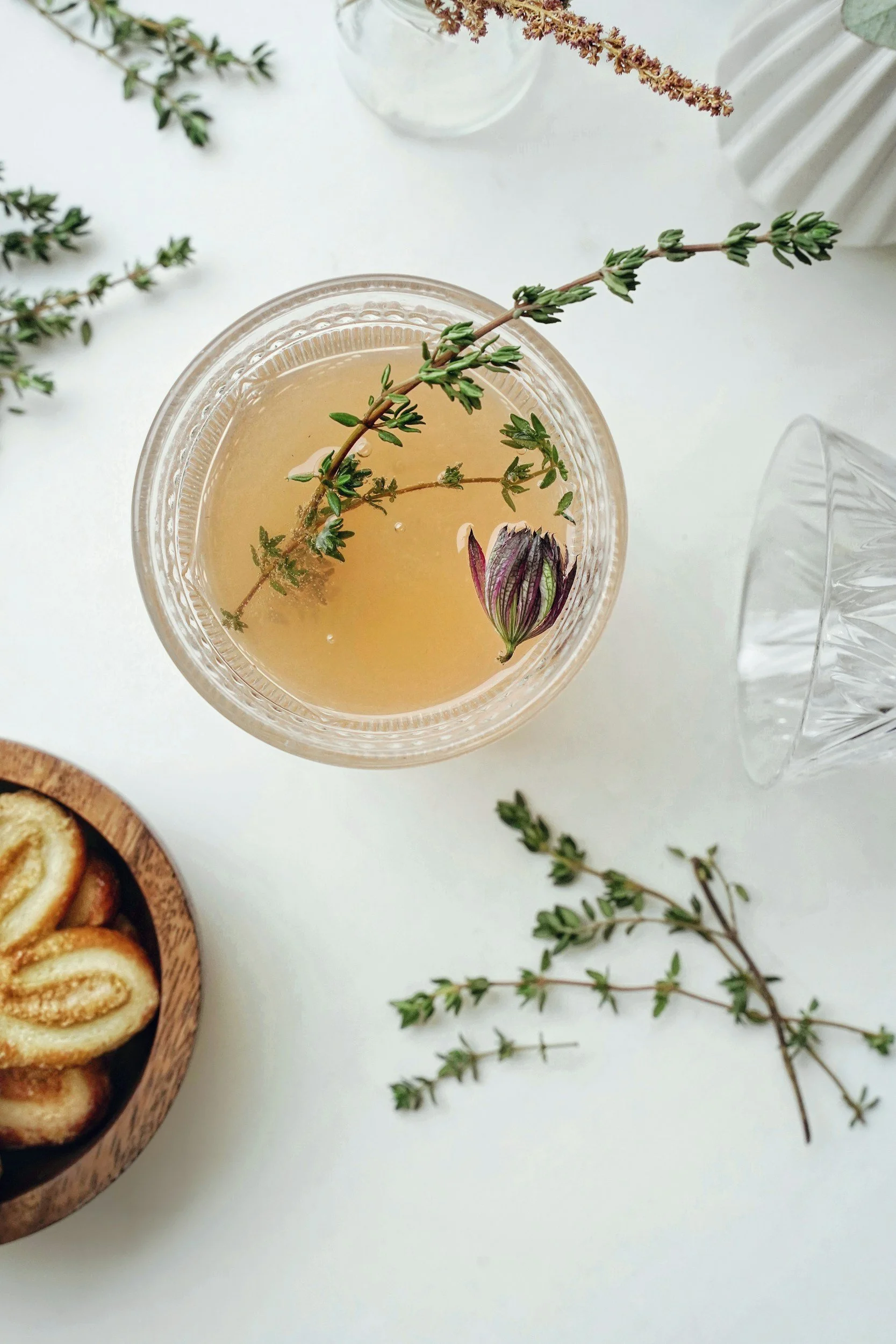
One item I have in my apothecary is thyme honey. SUPER easy to make and you only need two ingredients, yes, two. This is how I make mine.
Note: This syrup should not be given to children under 1 year of age.
I use a half pint jar and usually fill my jar half way with sprigs of thyme.
Ingredients
1 part fresh or dried thyme (Thymus vulgaris) sprigs
Honey (raw and local, if possible)
Directions
In a clean, dry jar, simply layer the fresh dry or dried thyme in the jar, then top off with honey, ensuring all of the thyme is completely covered. Your thyme should not be wet when adding it to the jar of honey.
Place a square piece of natural parchment paper on top of the jar (this protects the honey from any chemical coating that may be on the lid), then seal the jar with a lid.
Every couple of days flip the jar upside down to make sure the honey is still covering ALL THEY THYME, if it isn’t ADD more honey. Keep in your cupboard to infuse for at least a couple of weeks before straining it out into a sanitized, dry jar.
Label and store in your refrigerator where it will keep for up to 3 months.
If you want a deep dive into thyme and its benefits, here is a link…
https://pmc.ncbi.nlm.nih.gov/articles/PMC9147557/
Please do your own research on herbs and have fun learning all there is to know about God’s gift of herbs!
For questions or just to drop a hello note, please email Jenny at mcgeehomestead@gmail.com
DISCLAIMER
Information offered from Jennifer McGee from this website and any other document is for education purposes only. Jennifer McGee makes neither medical claim, nor intends to diagnose or treat conditions. Individuals who are pregnant or nursing and persons with known medical conditions, should consult their licensed health care provider before taking any herbal product. Links to external sites are informational purposes only. Jennifer McGee neither endorses them nor is in any way responsible for their content. Readers MUST do their own research concerning the safety and usage of any herbs or supplements.
September 24, 2026
On the farm….. I am welcoming the beginning of a slower pace that autumn brings and the nightly 55 degree temperatures are my favorite.
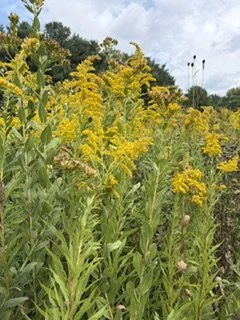
A sea of Goldenrod is now taking over the native prairie and the honeybees are storing up food for the winter. Soon I will button up the hives with quilt boxes to help the bees make it through the colder months ahead and praying for a light winter.
The lavender is holding. Lavender does not like to have “wet feet” as they say so here in our area we have been having a lot of rain and I was a little concerned but after walking the field today it looks like the lavender will be just fine. Hoping to have a small “you pick” next year on the farm.
These last days I have been gathering herbs to be dried for winter soups and stews and I am preserving the vegetables for the larder and saving seeds for next year’s garden. Tinctures and electuaries are being stored up for the months ahead when coughs and colds hit our house or friends are in need.
Have a blessed and safe autumn harvest.
Thanks for stopping by.
Godspeed
Jenny
Goldenrod
A member of the Asteraceae family, the plant grows 2 to 3 feet high, with alternating leaves and panicles of golden flowers on top.
How to dry Goldenrod
Spread the flower heads out on a drying screen, clean dish cloth, or paper towels. Use your fingers or scissors to break up any large sections so that they can air dry in a single layer (for salves, oils and teas)
Once fully dried, store in a labeled mason jar. Dried herbs generally stay fresh 9 months to a year.
You can use golden rod as a tincture, tea or infuse as oil for salves. Please do your own research on goldenrod and please harvest goldenrod at least 50 feet from any fields that spray.
Benefits: May help with being a diuretic, clears excess mucous, anti-mucous, anti inflammatory and antimicrobial.
August, 2026
FIRE CIDER
It’s that time of year again, school is starting and where we start prepping for the winter when cold and flu season is knocking on our door. This is a recipe that is in our refrigerator for the upcoming season. Fire Cider has been made many different ways so please feel free to tweak this recipe as you desire. Once the season gets here I take it as a preventative, one or two tablespoons a day or more if I am feeling something coming on.
Here’s how…..
Fill a clean 64 oz. glass jar with~
2 onions sliced, I like yellow onions rather than white
2 oranges sliced
2 lemons sliced
2 large pieces of fresh ginger, sliced
2 large pieces of fresh turmeric, sliced
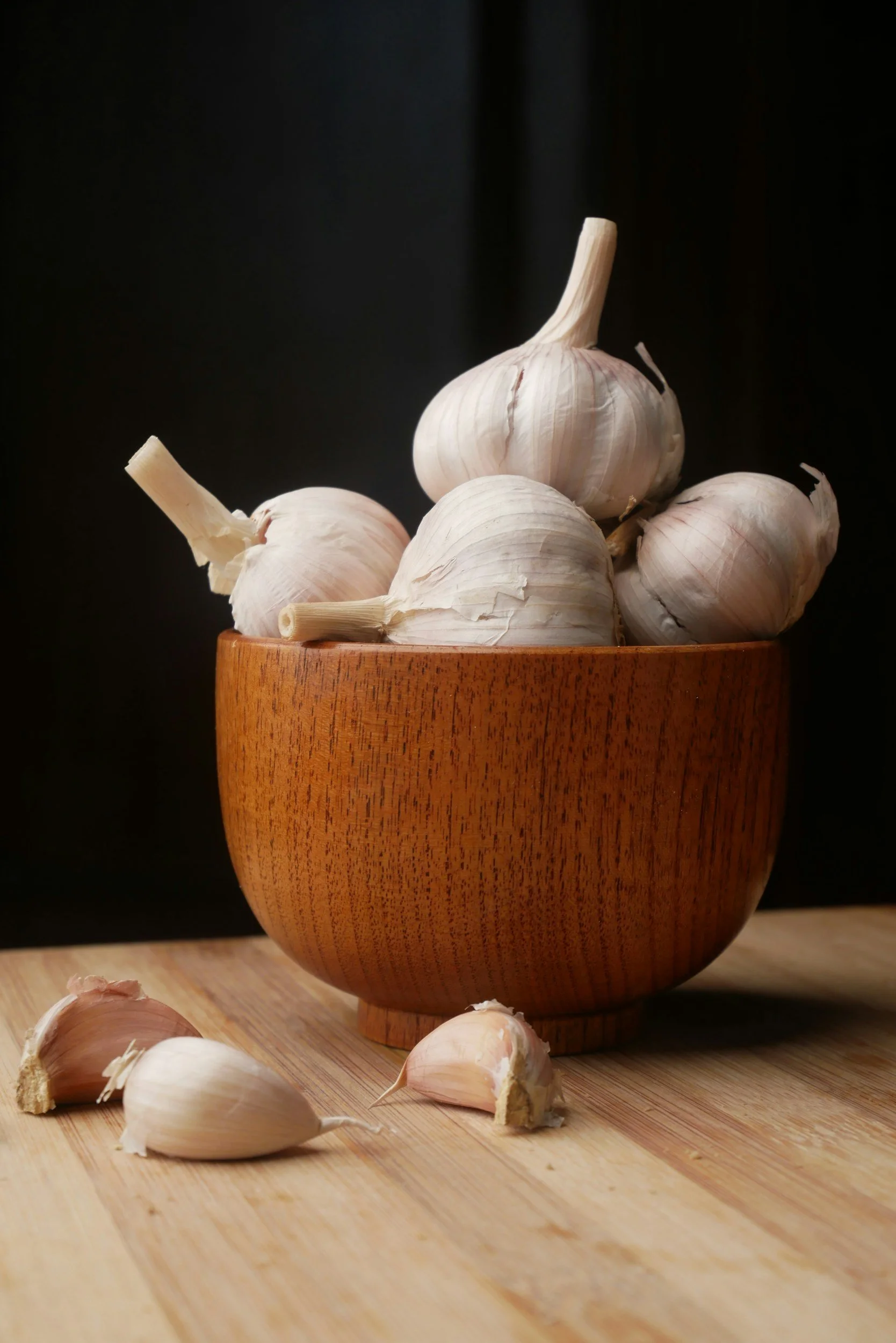
12-15 cloves of garlic, minced or sliced
2 tsp of whole peppercorns
½ a cup of raw honey
Feel free to add 1 or 2 tsp of cayenne pepper
May add ½ cup grated horseradish too, up to you!
Pour raw apple cider vinegar, I use with the mother, over the herbs and make sure everything is covered with the apple cider vinegar, leaving about one inch head space. Seal the jar , preferably with a plastic or glass lid, if using a metal lid, use with parchment or wax paper between the lid and jar or vinegar will corrode metal and let it infuse 2-3 weeks, shaking every few days.
Then strain your fire cider and store in a clean glass bottle in the refrigerator. Use within a year.
“…. Their fruit will serve for food and their leaves for healing.”
Ezekiel 47:12